
Walk-In Shower vs. Tub: Which Is Right for Your Bathroom Remodel?
Bathroom remodeling decisions often shape both daily comfort and long-term property value, making fixture selection a critical part of the planning process. Among the most common design dilemmas is choosing between a walk-in shower and a traditional bathtub. Each option brings distinct advantages related to functionality, aesthetics, accessibility, and resale appeal. Understanding how these features align with lifestyle needs is essential before committing to a remodel direction.
Modern homeowners increasingly prioritize efficiency, clean design, and ease of maintenance, while others continue to value relaxation and bathing rituals. As bathroom spaces evolve into personal wellness zones, the debate between walk-in showers and tubs has become more relevant in renovation planning. Market trends also show shifting buyer preferences, with many properties featuring spa-style showers, while families still consider tubs essential for practical use. This balance of preferences makes the decision highly situational rather than universal.
A well-informed choice requires evaluating space availability, household demographics, budget considerations, and long-term property goals. Both options can significantly enhance a bathroom when designed thoughtfully, but the wrong selection may limit usability or reduce future appeal. Exploring the strengths and limitations of each option helps create a bathroom that delivers both comfort and lasting value.
Lifestyle Needs and Daily Functionality
Modern Convenience vs. Traditional Comfort
Walk-in showers align with modern, fast-paced routines, offering quick access, efficient water use, and minimal preparation time for daily hygiene. Bathtubs provide a more traditional experience focused on relaxation, stress relief, and extended soaking comfort. Each option supports different lifestyle priorities, making the decision dependent on whether efficiency or a restorative bathing experience is more valued overall in bathroom design.
Household Composition and Practical Use
Household composition strongly influences fixture selection, as families with young children often prefer bathtubs for safe and convenient bathing, while households with elderly members benefit from walk-in showers that reduce slipping risks and improve accessibility. Matching bathroom fixtures to daily user needs ensures long-term comfort, safety, and practicality across changing lifestyle requirements in residential environments and remodel planning decisions.
Space Planning and Bathroom Layout Efficiency
Maximizing Small Bathroom Spaces
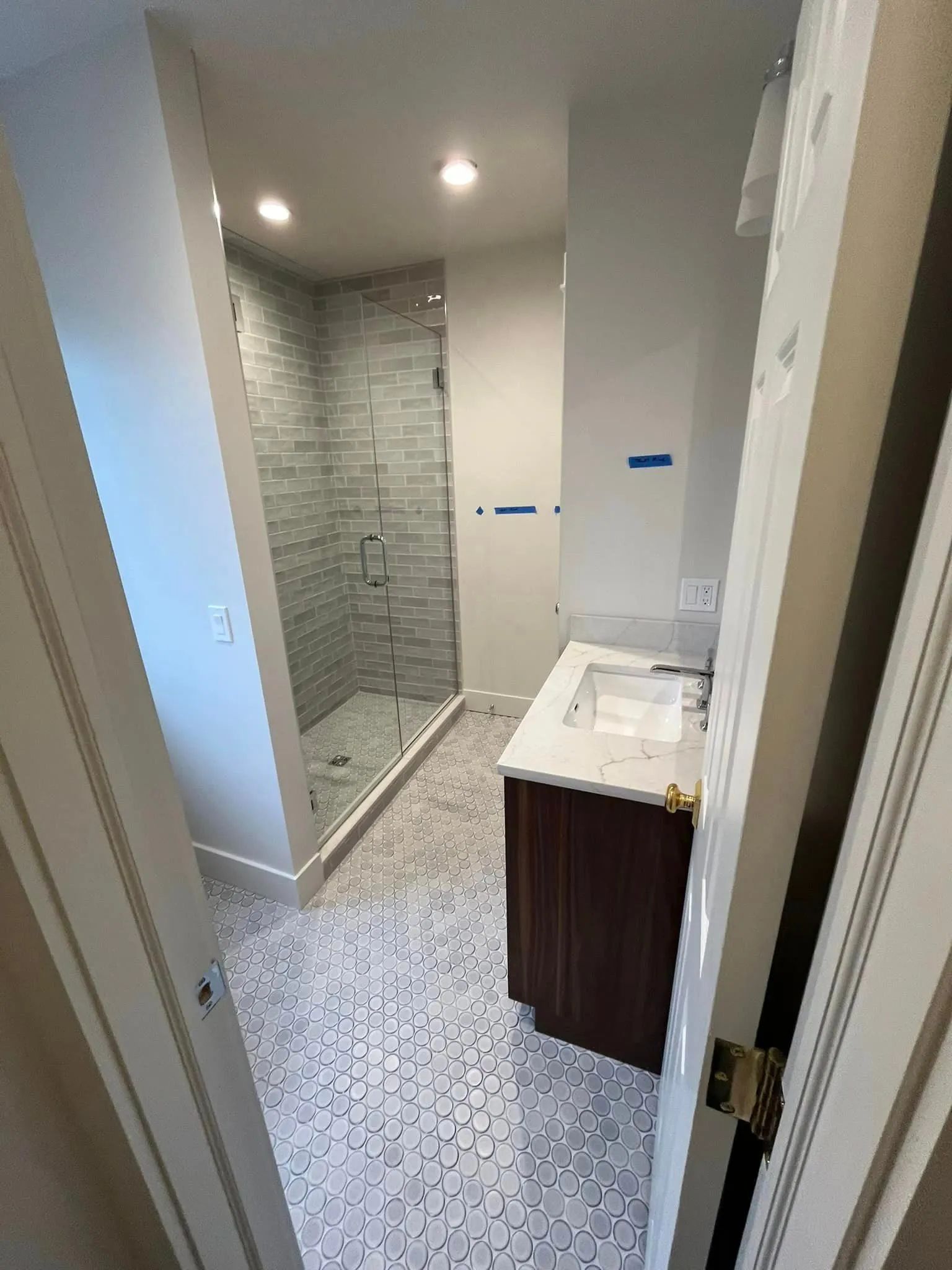
Walk-in showers are highly effective in compact bathrooms because glass enclosures and curbless designs create an open visual flow that makes limited spaces appear larger. Corner installations and linear drainage systems further optimize layout efficiency without reducing functionality, allowing homeowners to maximize usable area while maintaining comfort, modern aesthetics, and practical movement within small bathroom environments and design flexibility.
Tub Integration in Larger Layouts
Bathtubs require more floor space and are best suited for medium to large bathrooms where layout flexibility allows proper placement without restricting movement. Freestanding tubs can serve as visual focal points, while alcove designs improve space efficiency. Careful positioning ensures usability, prevents congestion, and maintains balanced circulation within larger bathroom renovation plans, overall design structure, and functional comfort outcomes.
Layout Flow and Design Harmony
Well-planned bathroom layouts ensure smooth circulation and functional harmony, where walk-in showers enhance openness through minimal barriers, while bathtubs require more structured spatial planning to maintain balance. Thoughtful placement of each fixture supports usability, prevents congestion, and improves overall design coherence, creating a comfortable environment that aligns with both aesthetic appeal and practical residential needs and long-term value.
Accessibility, Safety, and Long-Term Usability
Low-Barrier Entry Advantages
Walk-in showers offer strong accessibility advantages through zero-threshold entry designs that eliminate stepping barriers and reduce fall risks for individuals with mobility challenges. Features such as grab bars, slip-resistant flooring, and open layouts enhance safety and independence, making showers an ideal choice for aging-in-place renovations where long-term usability and physical comfort are essential priorities overall and future readiness.
Tub Accessibility Considerations
Traditional bathtubs require users to step over higher edges, which can present accessibility challenges for elderly individuals or those with limited mobility. While soaking tubs offer ergonomic comfort, entry and exit remain less convenient compared to walk-in showers. This limitation often influences remodeling decisions focused on safety, independence, and long-term bathroom usability improvements overall in residential remodeling planning.
Future-Proof Bathroom Design
Future-proof bathroom design prioritizes adaptability, ensuring that spaces remain functional as user needs evolve over time. Walk-in showers support aging-in-place strategies by reducing barriers and allowing easier modifications if accessibility requirements change. This forward-thinking approach minimizes future renovation costs and enhances long-term usability, making it a practical choice for sustainable residential bathroom planning overall and investment protection benefits.
Maintenance, Cleaning, and Durability Factors
Ease of Cleaning and Hygiene Control
Walk-in showers simplify cleaning routines due to open layouts, minimal barriers, and modern drainage systems that reduce soap scum and mildew buildup when maintained regularly. Large-format tiles and frameless glass surfaces further enhance hygiene control, allowing easier access to all areas and reducing the time required for routine bathroom maintenance in residential settings overall, with consistent care practices.
Tub Cleaning and Upkeep Requirements
Bathtubs require more intensive cleaning due to enclosed surfaces, grout lines, and areas around drains where residue can accumulate over time. Standing water increases maintenance demands, though materials like acrylic and fiberglass reduce effort compared to older designs. Proper upkeep ensures durability and maintains hygiene standards within residential bathroom environments throughout long-term usage cycles, overall and consistent maintenance routines.
Material Longevity and Wear Resistance
Both walk-in showers and bathtubs offer strong durability when constructed with quality materials, ensuring long service life under regular residential use conditions. Porcelain tubs resist scratches and wear effectively, while tempered glass and stone-based shower systems provide modern strength and resilience. Material selection plays a key role in overall performance, maintenance requirements, and long-term value retention and structural integrity.
Cost, Installation Complexity, and Remodeling Impact
Budget Considerations for Showers
Walk-in shower costs vary widely depending on design complexity, ranging from simple installations to luxury systems with rainfall fixtures, body jets, and custom tile work. Higher customization increases labor and material expenses, while plumbing modifications can also influence overall budgeting. Careful planning ensures balanced investment between functionality, aesthetics, and long-term bathroom performance outcomes overall for optimal renovation value.
Tub Installation and Structural Requirements
Bathtub installation often requires structural reinforcement, particularly for heavier freestanding models that demand stable flooring support and precise weight distribution. Plumbing configurations are typically simpler than showers, but surrounding tile work and enclosure construction can increase overall labor requirements. Proper installation planning ensures safety, durability, and long-term performance within residential bathroom remodeling projects overall and structural safety compliance.
Renovation Disruption and Timeline
Shower installations may involve extensive tile work and waterproofing procedures, which can extend renovation timelines depending on design complexity and material selection. Tub replacements are often quicker in standard layouts, though unexpected plumbing adjustments can still cause delays. Careful project coordination helps minimize disruption, ensuring efficient completion and consistent quality across bathroom remodeling stages overall, and timely delivery assurance.
Home Value, Market Trends, and Buyer Preferences
Impact on Property Resale Value
Walk-in showers are increasingly preferred in modern real estate markets due to their clean design, accessibility features, and spa-like appeal that attracts contemporary buyers. These installations enhance perceived property value and align with current renovation trends focused on minimalism and functionality. Strong buyer demand makes showers a strategic upgrade for primary bathroom remodel projects overall in competitive housing markets.
Continued Demand for Bathtubs
Despite evolving design trends, bathtubs continue to hold strong demand in family-oriented housing markets where functionality for children and relaxation remains important. Many buyers still expect at least one bathtub in a home for practical use and resale considerations. This consistent preference ensures tubs remain a valuable feature in balanced bathroom renovation strategies overall across diverse property types.
Strategic Remodeling Balance
In many renovation projects, combining both walk-in showers and bathtubs across different bathrooms creates a balanced approach that satisfies diverse household needs and improves overall property appeal. A shower in the primary bathroom paired with a tub in secondary spaces enhances functionality and market flexibility, ensuring both modern convenience and traditional comfort are effectively represented for long-term value.
Experienced Construction Specialists Improving Bathroom Comfort And Style
Choosing between a walk-in shower and a bathtub depends on lifestyle priorities, available space, accessibility needs, and long-term property goals. Walk-in showers deliver efficiency, modern appeal, and ease of maintenance, while bathtubs provide relaxation, family functionality, and traditional comfort. Both options can enhance a bathroom when aligned with thoughtful design planning and practical use requirements. Evaluating daily routines and future needs ensures a remodel that remains functional and valuable over time. Careful selection also helps avoid costly redesigns later while improving overall comfort and property appeal.
ACCP Construction Corp.
delivers remodeling solutions built on precision, durability, and design expertise. Every
bathroom transformation
is approached with careful planning, ensuring functionality aligns with modern aesthetics and long-term performance. Located in Cape Coral, Florida, and supported by 20
years of experience, a strong foundation of craftsmanship guides every project from concept to completion. Walk-in shower installations and bathtub remodels are executed with attention to structural integrity, waterproofing standards, and efficient layout design. Client-focused execution ensures each bathroom reflects both comfort and value. Reliable construction practices and consistent quality standards make ACCP Construction Corp.
a trusted choice for homeowners seeking lasting bathroom upgrades. Each project is completed with attention to detail, ensuring durability, efficiency, and long-term satisfaction for every client.