
Built-Ins Worth the Investment: Closets, Pantries, and Entertainment Walls Compared
Storage and organization have always been central concerns in residential design, but in recent years, built-in cabinetry has moved from a luxury upgrade to a practical priority for homeowners across the country. As homes are asked to do more, from functioning as offices and gyms to hosting larger households, the demand for purposeful, permanent storage solutions has grown considerably. Built-in closets, pantries, and entertainment walls each serve distinct functions, but all share one common value: they make a space work harder without adding square footage.
What separates a well-planned built-in from a standard shelving unit is structural integration, tailored design, and long-term utility. Unlike freestanding furniture that can be moved or replaced, built-ins are constructed to fit the exact dimensions and workflow of a space. For homeowners evaluating where to invest in their home, understanding the differences between these three major built-in categories, what each delivers, what each demands, and which makes sense for a given space and lifestyle, is the right starting point. This guide compares closets, pantries, and entertainment walls across key criteria to help you make a well-informed decision.
What Makes a Built-In Worth It
The difference between furniture and architecture
Built-in cabinetry occupies a unique position in home construction. Unlike furniture, it is attached to the structure of the home, custom-fitted to specific walls, ceiling heights, and room dimensions. This integration eliminates gaps, awkward dead zones, and the visual clutter that comes from mismatched freestanding pieces.
The value of a built-in is also tied to permanence. When a closet system is framed into a wall, anchored to the floor, and trimmed to match the room's millwork, it reads as part of the original architecture. The same applies to pantry cabinetry with pull-out drawers and adjustable shelving, or an entertainment wall built around a specific screen size with integrated lighting and concealed cable management.
From a resale standpoint, built-ins consistently rank among the improvements that add measurable value to a home. Buyers notice purposeful storage, and appraisers recognize it. While the return varies by market and quality of execution, the functional appeal of a well-built closet or pantry rarely goes unnoticed during a sale.
Built-In Closets
Walk-ins, reach-ins, and everything in between
Closet built-ins are among the most requested cabinetry projects in residential construction. Whether the space is a primary walk-in, a secondary bedroom closet, or a mudroom, a properly designed closet system transforms an underused room into an organized, functional storage hub.
What a closet built-in typically includes:
| Component | Function |
|---|---|
| Double hang rods | Maximizes vertical space for shirts, jackets |
| Long hang section | Accommodates dresses, coats, full-length garments |
| Drawer towers | Stores folded items, undergarments, accessories |
| Shoe shelving | Angled or flat shelves designed for footwear |
| Upper shelving | Seasonal storage, bags, bins |
| Island or bench | Used in larger walk-ins for folding and seating |
A well-designed closet built-in starts with an inventory of what needs to be stored. A family of four has very different storage demands than a single professional. The layout should account for clothing categories, accessory organization, and laundry workflow.
One area where closet built-ins deliver clear advantages is in maximizing vertical space. Most standard closets waste the upper third of the room entirely. A built-in system draws storage all the way to the ceiling, often adding 30 to 50 percent more usable space compared to a rod-and-shelf setup.
The challenge with closet built-ins is that they require precise planning. Poor layout decisions, such as allocating too much single-hang rod space or not enough drawer depth, create frustration over time. Working with a contractor who understands how people actually use a closet, not just how one looks on paper, is essential.
Built-In Pantries
Organized kitchens start outside the kitchen
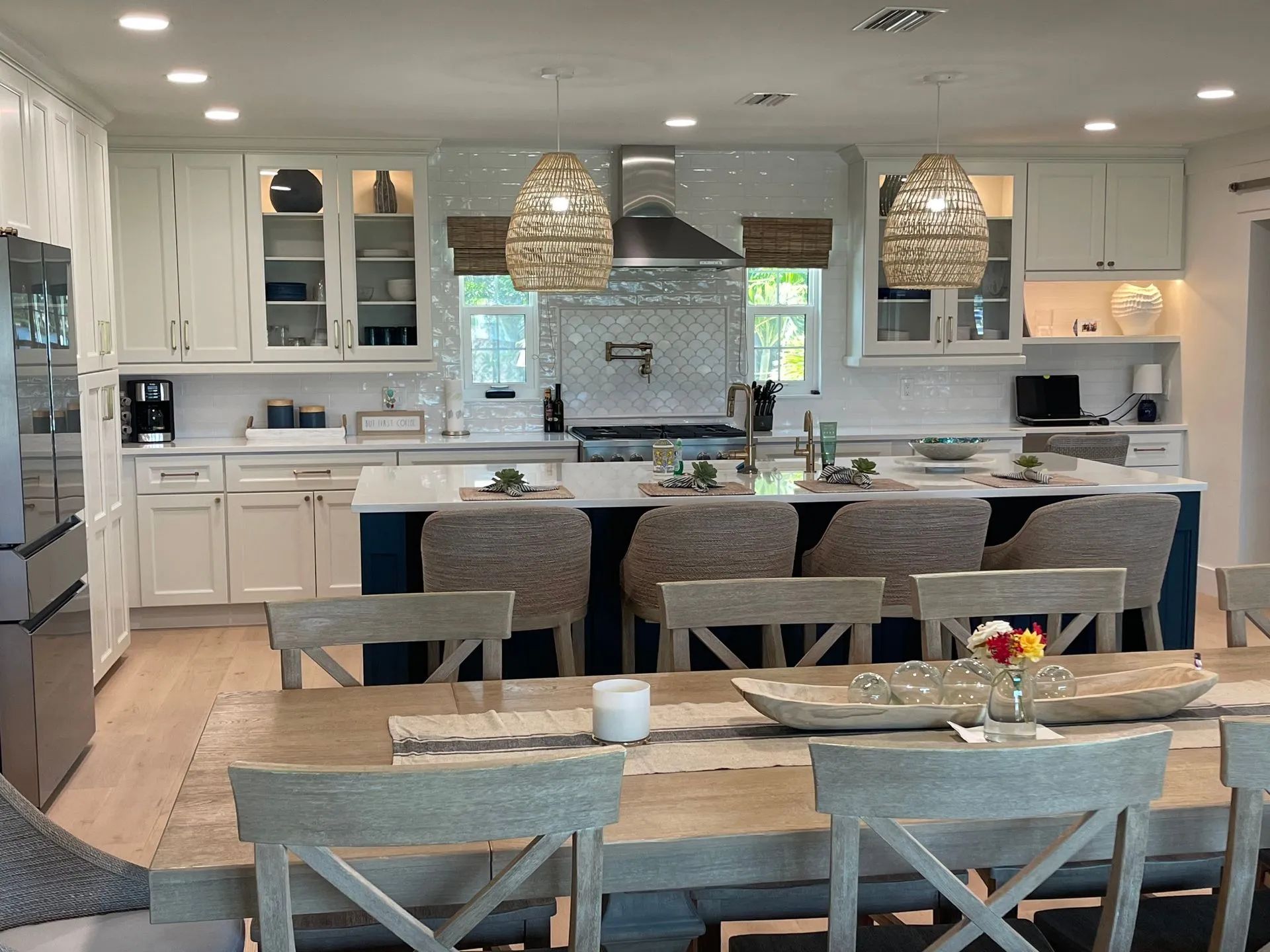
A built-in pantry is one of the highest-utility storage investments a homeowner can make. As grocery hauls grow larger and appliances multiply, kitchen cabinets alone rarely meet the demand. A dedicated pantry, built into an adjacent wall, hallway, or butler's pantry footprint, gives the kitchen room to breathe.
Pantry built-ins work across several configurations:
Walk-in pantries offer the most flexibility. With shelving on three walls and a center aisle, a walk-in can store dry goods, small appliances, bulk items, and seasonal dishware in one organized location.
Reach-in pantries work well in narrower spaces. Shallow shelving between 12 and 16 inches deep allows full visibility without requiring items to be stacked behind one another.
Pull-out pantry columns are used within kitchen layouts where a full pantry room is not possible. Tall pull-out towers with tiered shelving slide out to reveal organized rows of canned goods, spices, and packaged items.
The key to a functional pantry built-in is shelf depth and adjustability. Shelves that are too deep create dead zones at the back where items get lost and forgotten. Adjustable shelving allows the configuration to shift as storage needs change over time.
Pantry built-ins also benefit from dedicated zones. A well-organized pantry separates baking supplies from snack items, breakfast staples from canned goods, and cleaning products from food storage. When zones are built into the layout through labeled bins, drawer inserts, and varied shelf heights, the pantry stays organized without constant effort.
Built-In Entertainment Walls
Media storage that works with your architecture
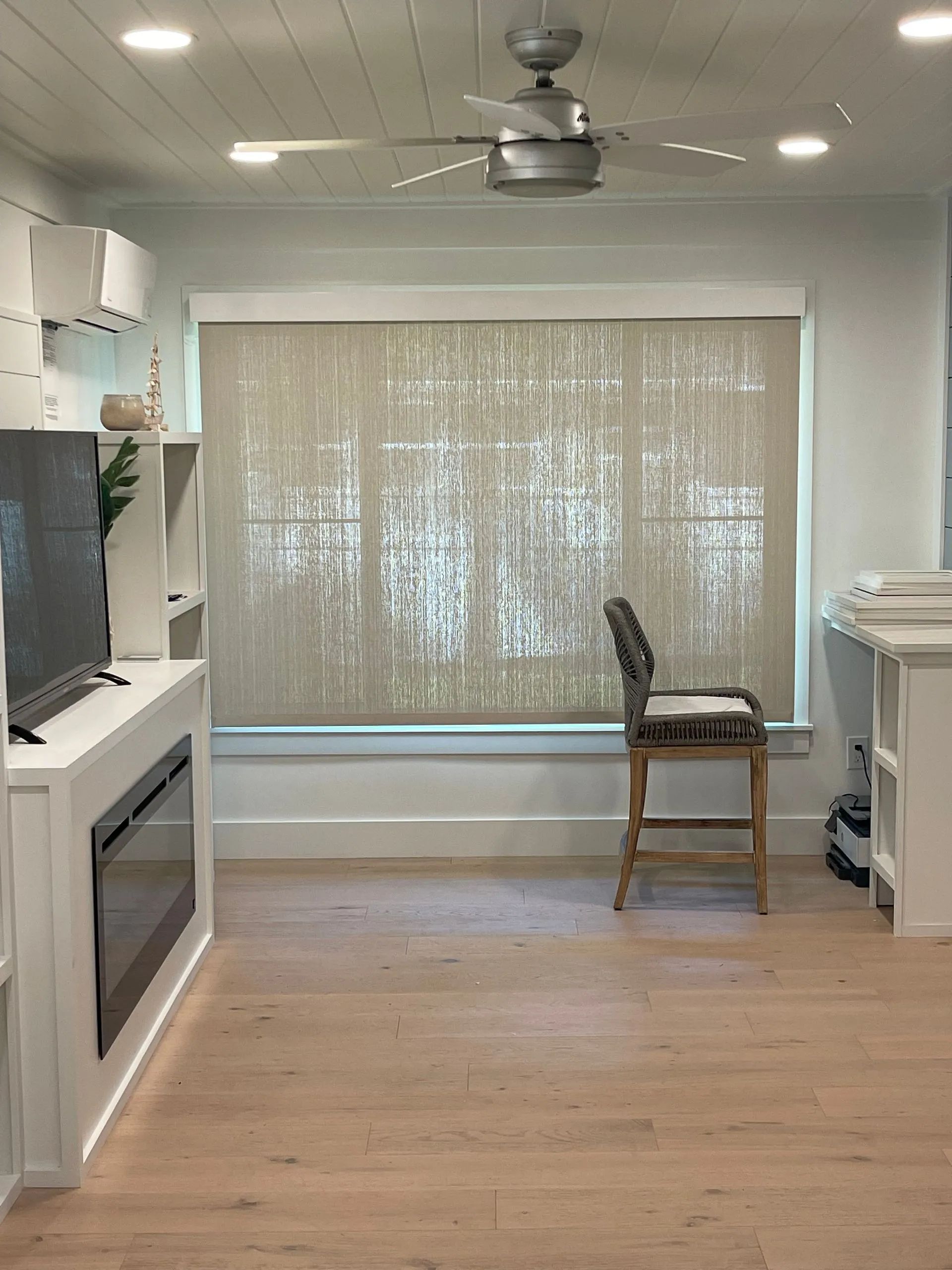
An entertainment wall built-in serves a dual purpose. It manages the visual and technical complexity of a media setup while creating a focal point that feels intentional and designed. Done well, an entertainment wall integrates the television, media components, speakers, gaming systems, and decorative objects into one cohesive unit.
Core elements of an entertainment wall built-in:
- Television framing: The wall is built around the specific screen size, eliminating the awkward gap between a mounted TV and surrounding drywall.
- Component cabinetry: Enclosed or open cabinets house streaming devices, receivers, gaming consoles, and cable boxes with ventilation built in.
- Cable management: Conduit runs behind the wall structure, keeping all visible surfaces clean.
- Decorative shelving: Flanking shelves display books, art objects, plants, and personal collections in a curated arrangement.
- Integrated lighting: Recessed lighting above the TV, LED strip lighting behind shelves, or accent lighting inside glass-front cabinets adds dimension to the wall.
One challenge unique to entertainment walls is future-proofing. Technology changes faster than cabinetry does. A built-in designed around a 65-inch television may feel dated if the homeowner upgrades to an 85-inch screen three years later. Planning for adjustable component areas and framing the TV section with some flexibility helps extend the relevance of the design.
Entertainment walls also require careful attention to heat management. Enclosed cabinetry around electronics can trap heat and shorten the lifespan of components. Proper ventilation, whether through louvered doors, passive venting, or small cooling fans built into the cabinetry, should be addressed in the planning phase rather than after installation.
Comparing All Three Side by Side
| Category | Primary Function | Best Room Placement | Key Design Consideration | Long-Term Value |
|---|---|---|---|---|
| Closet Built-In | Personal storage and organization | Primary bedroom, mudroom, guest room | Vertical space use, drawer to hang ratio | High — universally needed |
| Pantry Built-In | Food and kitchen supply storage | Kitchen adjacent, hallway, utility space | Shelf depth and adjustability | High — especially in family homes |
| Entertainment Wall | Media management and room focal point | Living room, family room, basement | Ventilation, screen sizing, flexibility | Moderate to high depending on tech longevity |
The right built-in for a given home depends on where the household feels the most friction. If getting ready in the morning feels chaotic, a closet built-in addresses the root cause. If the kitchen counter is perpetually cluttered with overflow from cabinets, a pantry solves the problem. If the living room feels disorganized around the television, an entertainment wall creates structure.
Skilled Contractors Transforming Storage Into Permanent Home Assets
Built-in closets, pantries, and entertainment walls each solve a specific organizational problem in the home. Closets reclaim wasted vertical space and bring order to daily routines. Pantries extend kitchen capacity and bring visibility to food storage. Entertainment walls manage media complexity while anchoring a room aesthetically. None of these is a universal answer, but each represents a permanent, purposeful upgrade that improves how a home functions every day. The investment is not just in materials and labor but in the quality of daily life inside the space. Understanding what each built-in delivers, and where it is most needed, is the foundation of a decision that holds up over time.
At ACCP Construction Corp., we bring 20
years of general contracting experience to every project we take on in Cape Coral, Florida and the surrounding region. Built-in cabinetry and custom storage solutions are among the most detailed and rewarding work we do, because the results are visible and functional in a home every single day. We approach each closet, pantry, and entertainment wall project with careful attention to how the space is actually used, not just how it appears in a rendering. Our planning process accounts for structural requirements, material selection, finish alignment with existing millwork, and the specific storage habits of each household. We build to last, using construction methods that hold up in Florida's climate and stand up to years of daily use. Whether a project involves a single reach-in closet or a complete built-in package across multiple rooms, we bring the same level of precision and care to each phase. If you are planning a
built-in project
in Cape Coral or the surrounding area, we are ready to help you think through the layout, materials, and execution from the ground up.
Frequently Asked Questions
How long does a built-in closet installation typically take?
Most built-in closet projects take between three and seven business days depending on the size of the space, the complexity of the layout, and whether custom millwork or prefabricated components are used.
Can a built-in pantry be added to a home that was not originally designed with one?
Yes. A pantry built-in can be installed in an underused hallway, a converted coat closet, a wall niche, or a butler's pantry footprint. The key is identifying a location that is accessible from the kitchen without disrupting traffic flow through the home.
What materials work best for entertainment wall built-ins?
Plywood with a hardwood veneer or MDF with a painted finish are the two most common choices. Plywood offers stronger fastening points for heavy components, while MDF provides a smoother surface for painted finishes and is easier to work with in intricate millwork profiles.
Are built-ins removable if I decide to sell my home?
Built-ins are designed to be permanent and are attached to the walls and floor framing. Removing them typically causes damage to surrounding surfaces. Most real estate professionals recommend leaving built-ins in place, as they add perceived value and appeal to prospective buyers.
How do I plan the layout of a built-in pantry to avoid wasted space?
Start by cataloging everything that will be stored in the pantry, grouping items by category and size. Work with your contractor to assign shelf depths and heights based on actual item dimensions. Adjustable shelving is strongly recommended so the layout can shift as your storage needs change over time.