
Old Single Pane Windows Ahead of Hurricane Season? Why Impact Rated Matters
Quick Answer: Impact rated windows use laminated glass, a tough plastic layer bonded between two sheets of glass, set in a frame that is anchored to the wall to resist pressure. When flying debris hits, the glass may crack but it stays in the frame, so wind and rain cannot get inside and pressurize the house. Old single pane windows shatter and leave an opening. The rating only counts when the whole assembly, glass, frame, and anchoring, is tested and installed as a system. Replacing early in the off season, before the next storm forecast, gives you time to choose properly and have the work done right.
It is a quiet afternoon in November. The heat has finally let up, the lanai doors are open, and you notice the old aluminum window in the guest room again. The paint on the frame is chalky, the crank takes two hands, and there is a faint whistle when the wind picks up. You remember how that same window rattled during the last named storm, and how you stood in the hallway wondering whether it would hold. The season is over for now, but you know it will come back around.
That feeling is exactly why this is the right time to look at your windows. A window is not just a piece of glass that lets in light. In a Southwest Florida home it is part of the structure that keeps the building sealed during a storm. When one fails, the problem is much bigger than a broken pane.
What Actually Goes Wrong With an Old Single Pane Window
Most people picture a hurricane breaking windows with wind alone. In practice, wind is rarely the first thing to fail. Debris is. Roof tile, branches, patio furniture, and loose fence boards become projectiles in high winds, and a plain pane of annealed glass has almost no defense against them. It breaks into sharp shards and leaves an open hole.
Once that opening exists, the house changes character. Wind pours in and pressurizes the interior, pushing upward on the roof from underneath while the wind outside pulls up from above. Builders call this a breach of the building envelope, and it is one of the main ways roofs lose their grip in a storm. A single broken window can turn a manageable event into serious damage to the ceiling, walls, floors, and everything inside.
Age adds other problems that have nothing to do with storms:
- The aluminum frame has corroded or the corner joints have loosened from years of salt air and humidity.
- The glazing seal has failed, so moisture slips past the glass and the frame leaks around the edges.
- The fasteners holding the window to the wall are old, rusted, or too few in number to resist strong pressure.
- Wood framing around the opening has softened from slow water intrusion you cannot see from inside.
- Replacing only the glass in a tired frame does not fix any of these. The weak points are in the frame and the connection to the wall.
How Impact Rated Glass Is Built
Impact rated glass is laminated glass. Two layers of glass are permanently bonded to a clear interlayer, usually a tough plastic film, in between. If you have ever seen a car windshield with a star shaped crack that did not fall apart, you have seen the principle.
When a piece of debris strikes, the outer glass can crack, but the interlayer holds the fragments in place. The window stays in the opening. Wind and water stay outside. Because the glass does not shatter into the room, the home stays sealed even while the glass looks damaged.
That interlayer brings a few side benefits that homeowners often appreciate afterward. Laminated glass blocks a large share of ultraviolet light, which helps protect floors, rugs, and furniture from fading. It also reduces outside noise noticeably, which is welcome near busy roads and boat traffic. And because it is much harder to break through, it adds a layer of everyday security.
What the Rating Really Tests
The word impact gets used loosely, so it helps to know what a rated product actually has to survive.
In the large missile test used in hurricane regions, a nine pound piece of two by four lumber is fired end first at the product at roughly thirty four miles per hour. That simulates the sort of heavy debris a strong storm can throw around. Right after that, the same specimen is put through a cyclic pressure test. It is pushed and pulled by pressure in both directions for several hours, thousands of cycles in total, to imitate the repeated gusting of a long storm and to see whether the glass, frame, and fasteners stay connected to the test wall.
Both halves matter. A product that stops the lumber but works loose under pressure cycling is not truly hurricane resistant. This is why you should always look at the full assembly, not just the glass. A great laminated pane in a weak frame, or a strong frame fixed with the wrong fasteners, can still fail where the pieces meet.
Acceptance rules differ depending on the region. The strictest rules, used in Miami Dade and Broward counties, do not allow the missile to penetrate the system. Elsewhere in Florida, a small penetration can be acceptable as long as the opening does not grow under pressure and a three inch sphere cannot pass through it. Either way, the product has to carry an approval that you can look up, and that approval is tied to specific sizes, glass types, and installation methods.
Tip: Ask to see the product approval number for each window and the installation details that go with it. The approval lists the maximum size and the exact attachment pattern that was tested. A window installed outside those limits does not carry the rating, no matter what the label says.
Why the Frame and Anchoring Matter as Much as the Glass
When you stand at a window, your eyes go to the glass. A contractor is looking at the edges. The part that holds in a storm is the connection between the frame and the structure around it.
In concrete block homes, which describe most of the houses in Cape Coral, Fort Myers, and Lehigh Acres, the frame is generally fastened into the masonry or into a wood or metal buck that is itself secured to the block. In frame construction, the window is fastened through its flange or frame into properly sized framing. The size, spacing, and embedment of those fasteners come from the tested installation drawings. Skipping or substituting them is a common reason a good window fails.
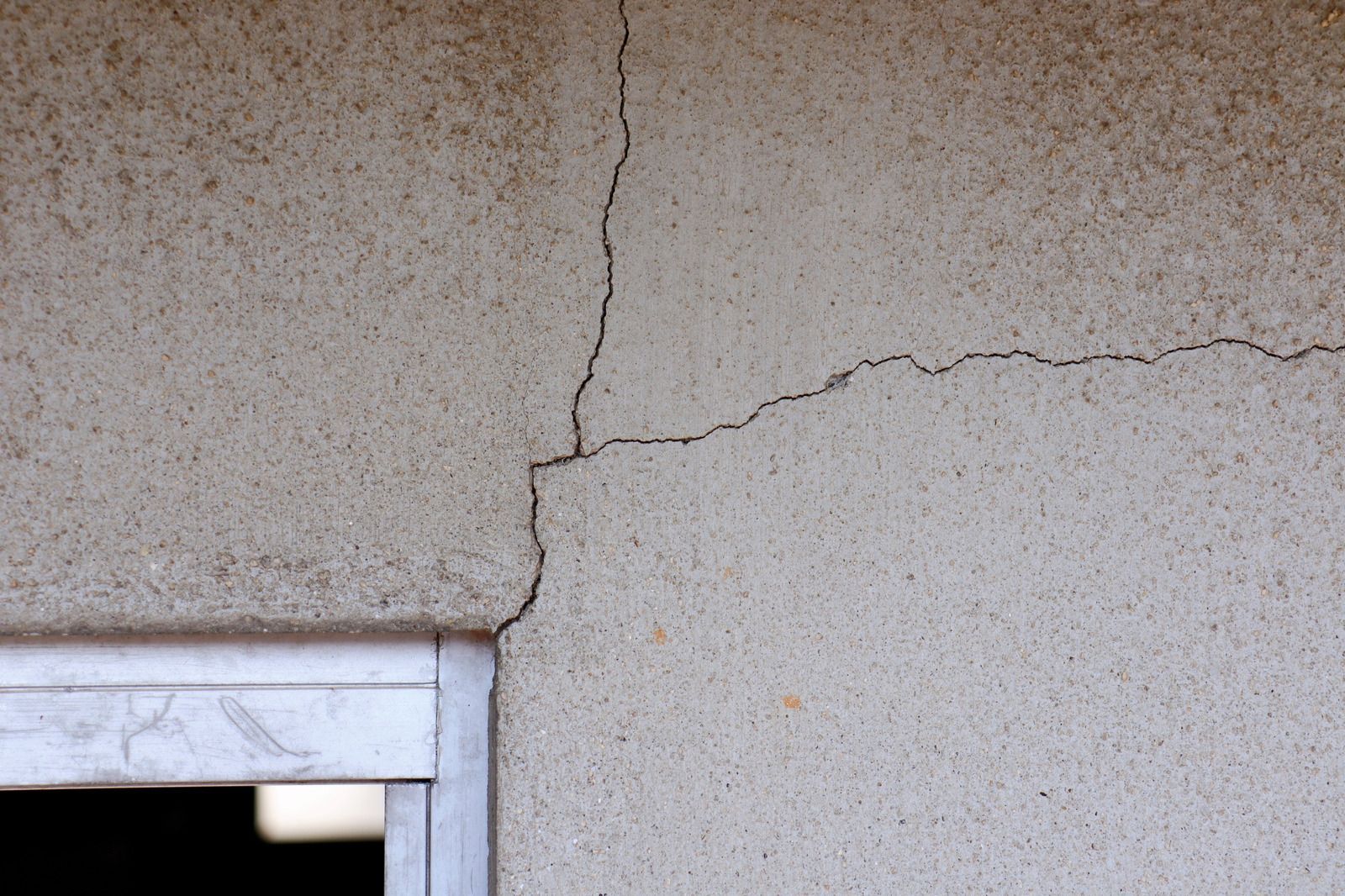
The rough opening has to be sound too. If the old window came out and revealed rotted wood, cracked block, or a lintel that is not carrying its share, that has to be corrected before the new unit goes in. Otherwise you have placed a well built window in a weak hole.
Sealing is the other half of the job. Proper flashing, sealant at the right locations, and a clean, drained sill pan keep wind driven rain from sneaking in around the perimeter. In our climate, water that gets behind a window stays warm and wet for months, which invites hidden decay and mold. A careful installer treats waterproofing as seriously as anchoring.
Impact Windows, Shutters, or Both
Homeowners often ask whether shutters make more sense. Both approaches protect openings, and the choice depends on how you live in the house.
Shutters, whether accordion, roll down, or panel, cover the existing window when a storm is coming. Their strength is that they can protect large openings. Their weakness is that someone has to deploy them every time, and panels need storage space and a few hours of work with the forecast closing in. If you travel, own a second home, or rent the property, relying on a manual routine can be risky.
Impact windows are protection that is always in place. You do not have to be home to activate them. They also work all year, not only in storm season, by cutting noise, blocking sun, and helping the cooling system hold temperature. Some homeowners choose impact rated windows for most of the house and keep a shutter solution for very large openings, such as a wide lanai slider or a garage door.
Warning: Do not assume that a window with a thick look or a double pane label is storm rated. Insulated glass without a laminated layer and a tested frame will still break under debris. Check for the permanent certification label and the product approval, and do not accept a verbal promise in place of paperwork.
Doors, Sliders, and the Openings People Forget
A window upgrade that leaves the weakest opening untouched protects less than it seems to. Sliding glass doors to the lanai are large, heavy, and heavily exposed. Their size makes them a frequent point of failure in storms, and the track and anchoring need the same attention as any window. Entry doors, French doors, and garage doors are also part of the envelope. If an opening is large enough to let wind in, it should be part of the plan.
When you walk the house with a contractor, count every opening, not only the windows. Skylights, sidelights beside the front door, and small bathroom windows all matter. The goal is a continuous line of protection around the whole building, not a few strong spots.
Why Southwest Florida Homes Have Extra Reasons to Upgrade
Our area adds conditions that wear on windows long before any storm arrives. Salt in the air from the Gulf and the canals attacks aluminum and hardware. Summer sun and humidity break down sealants and gaskets. Heat drives constant expansion and contraction at the frame. By the time a window is twenty or thirty years old, it has typically been through a lot of stress even if it looks fine from across the room.
Waterfront and canal homes see higher wind exposure because there is less to slow the gusts coming off open water. Homes on Sanibel, Captiva, Naples, and the coastal edges of Punta Gorda and Bonita Springs often face more severe conditions than a house set several blocks inland. Local building requirements for replacement windows and the permitting steps that go with them also affect how the work is planned, which is one more reason to work with a contractor who knows how local inspectors review the details.
The Smart Way to Time the Project
Order and installation take time, and the weeks before an approaching storm are the worst moment to start. Product lead times can stretch when many homeowners are asking at once, and installers book up quickly. Starting in the cooler, calmer months means you can compare options, schedule the work around your life, and finish well before the next season builds.
Here is a simple way to approach it:
- Walk the house and list every opening, with approximate sizes and the condition of the existing frames.
- Note which windows are leaking, hard to operate, or visibly corroded. These make the best first priority.
- Decide whether you want a full house plan done in phases or all at once.
- Ask your contractor to check the rough openings and the surrounding structure when the first window comes out, not after the last one is in.
- Confirm the product approvals and installation details before any order is placed.
A phased plan is perfectly reasonable. Many homeowners start with the side of the house that takes the brunt of the wind and the largest openings, then continue over time.
Frequently Asked Questions
What is the difference between impact windows and regular double pane windows?
Double pane windows are built for insulation, with two panes separated by an air space. Impact windows use laminated glass held in a reinforced frame that has been tested against debris and pressure cycling. A double pane window can break and leave an opening, while an impact window is designed to stay in place.
Will impact windows still crack if debris hits them?
They can. The outer glass may crack on a hard hit, but the interlayer holds the pieces together so the opening stays sealed. A cracked impact window still protects the home, though it should be replaced afterward.
Do impact windows replace the need for shutters?
In most cases they do. Because they protect the opening on their own, you do not have to put anything up before a storm. Some homeowners still add shutters for very large openings such as sliding doors.
Can I replace just the glass in my old frame?
Usually this does not work. The rating applies to the complete tested assembly, including the frame and the way it is anchored. Old frames are often corroded or loosely fastened, so upgrading only the glass leaves the weakest part in place.
Do impact windows help with noise and sun?
Yes. The laminated layer reduces outside sound and blocks much of the ultraviolet light that fades floors and furniture. Many homeowners notice the quieter rooms right away.
How long does a window replacement project take?
It depends on the number of openings, the sizes, and the condition of the walls around them. Custom sized windows need to be ordered and built, so the lead time is often longer than the installation itself. Planning ahead keeps the schedule relaxed.
Protect the Envelope Before the Next Storm
Old single pane windows rarely announce that they are a problem. They keep sitting there, working well enough, until a storm asks more of them than they can give. A broken pane is not just lost glass. It is an opening that lets wind pressurize the house and push up on the roof from inside, which is how a manageable storm turns into serious damage. The rating only counts, though, when the glass, the frame, and the anchoring are tested and installed as one system.
Swapping tired windows for properly rated, correctly anchored impact units is one of the most effective ways to protect the envelope of your home, and it makes the house quieter, cooler, and easier to live in every day. ACCP Construction Corp.
has spent 20
years replacing windows and doors throughout Cape Coral, FL, where salt air and sun age a frame long before a storm does. Protection that holds when it matters is rarely luck. It comes from upgrading in the calm months, long before anything is on the radar.